Understanding electronic components is crucial for efficient and precise project execution. Among these components, solid state relays (SSRs) play a pivotal role in modern automation and electronic circuits. Learning how to interpret SSR symbols accurately can significantly enhance project reliability and reduce troubleshooting time.
Importance of Solid State Relay Symbols
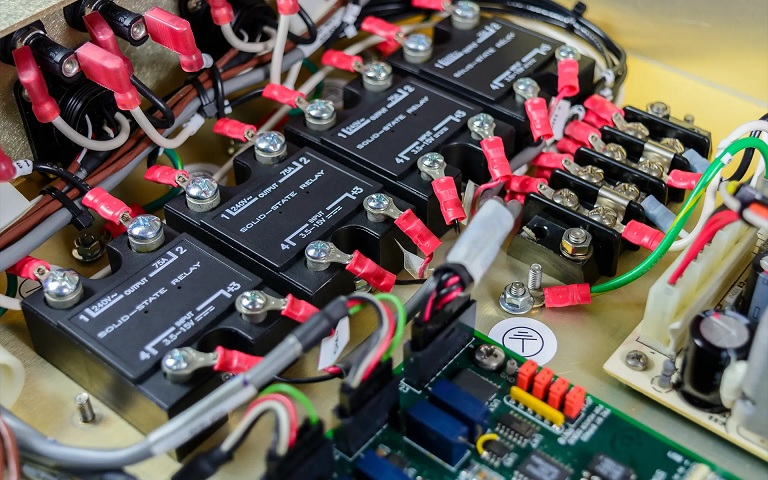
Solid state relays differ from traditional mechanical relays because they use semiconductor devices to switch electrical loads without moving parts. Recognizing SSR symbols provides several advantages:
- Quick Identification: Designers and engineers can instantly distinguish SSRs from other components in circuit diagrams.
- Accurate Connections: Proper interpretation ensures correct wiring, preventing potential short circuits or component damage.
- Enhanced Troubleshooting: Clear understanding of SSR symbols allows for faster identification of faults during testing or maintenance.
Components Represented in SSR Symbols
Learning SSR symbols involves recognizing the standard graphical elements representing various internal features:
- Input Control Terminals: Usually depicted with a line or arrow indicating the control voltage connection.
- Output Load Terminals: Shown with lines representing the switched load path, often accompanied by a diode or resistor symbol.
- Opto-Isolator Element: Many SSR symbols include a small triangle pointing towards a line, representing optical isolation between input and output.
Benefits of Mastering SSR Symbol Interpretation
Understanding SSR symbols extends beyond diagram reading; it improves overall project implementation. Key benefits include:
- Improved Safety: Correct wiring prevents accidental current leaks or overloads, protecting both the user and connected devices.
- Time Efficiency: Eliminates guesswork during assembly, reducing project completion time and the likelihood of errors.
- Optimized Circuit Design: Enables engineers to plan layouts effectively, integrating SSRs seamlessly with other electronic components.
Practical Tips for Learning SSR Symbols
To master SSR symbol interpretation quickly, consider these strategies:
- Study Circuit Schematics: Regularly examine diverse electronic diagrams to familiarize yourself with variations in SSR representation.
- Simulate Projects Virtually: Use electronic simulation tools to connect SSRs according to their symbols, verifying functionality before physical implementation.
- Hands-On Practice: Assemble small-scale projects incorporating SSRs to reinforce theoretical knowledge with practical experience.
- Cross-Reference Documentation: Always consult datasheets or standard symbol guides to ensure correct interpretation.
SSR Symbols in Modern Automation
In industrial and consumer electronics, SSRs are integral to precise control systems. Understanding solid state relay symbol enhances automation projects. Accurate symbol interpretation contributes to:
- Seamless Integration: Ensures SSRs work harmoniously with microcontrollers, sensors, and other automation devices.
- Reliability: Reduces the risk of mechanical failure and enhances long-term operational consistency.
- Innovation: Provides engineers and hobbyists the confidence to experiment with advanced automation circuits.
Conclusion
Learning and mastering solid state relay symbols is a simple yet highly effective way to improve electronic project accuracy. By understanding these symbols, engineers and enthusiasts can design safer, more reliable, and efficient circuits. Investing time in symbol literacy pays off in better performance, faster assembly, and smoother troubleshooting, ultimately elevating the quality of every electronic project.