Open skin cuts can happen during daily activities, outdoor tasks, or simple accidents at home. Quick and careful first aid can support comfort, encourage healthy healing, and reduce the chance of further irritation. Learning a few practical steps can help anyone respond calmly and effectively when a minor cut occurs.
Stay Calm and Assess the Cut
The first step is to remain calm and examine the affected area carefully. Understanding the depth and size of the cut helps determine the best care approach.
Important things to check:
- Whether the bleeding is light or heavy
- If dirt or small particles are present
- Whether the skin edges are separated
- If swelling or redness appears around the area
- Whether movement causes discomfort
Minor cuts often improve well with proper cleaning and protection.
Wash Hands before Providing Care
Clean hands are extremely how to close a wound important before touching an open cut. This helps lower the risk of introducing unwanted germs to the affected area.
Helpful hygiene tips:
- Wash hands thoroughly with soap and clean water
- Dry hands using a clean cloth or tissue
- Avoid touching unnecessary surfaces during treatment
- Use clean materials when handling the cut
Simple hygiene habits create a safer environment for healing.
Stop Bleeding Gently
Light bleeding is common with open skin cuts. Gentle pressure usually helps slow it down quickly.
Safe ways to manage bleeding:
- Use a clean cloth or sterile pad
- Apply soft but steady pressure
- Keep the injured area elevated if possible
- Avoid repeated checking during the first few minutes
Most small cuts stop bleeding after a short period of proper pressure.
Clean the Area Carefully
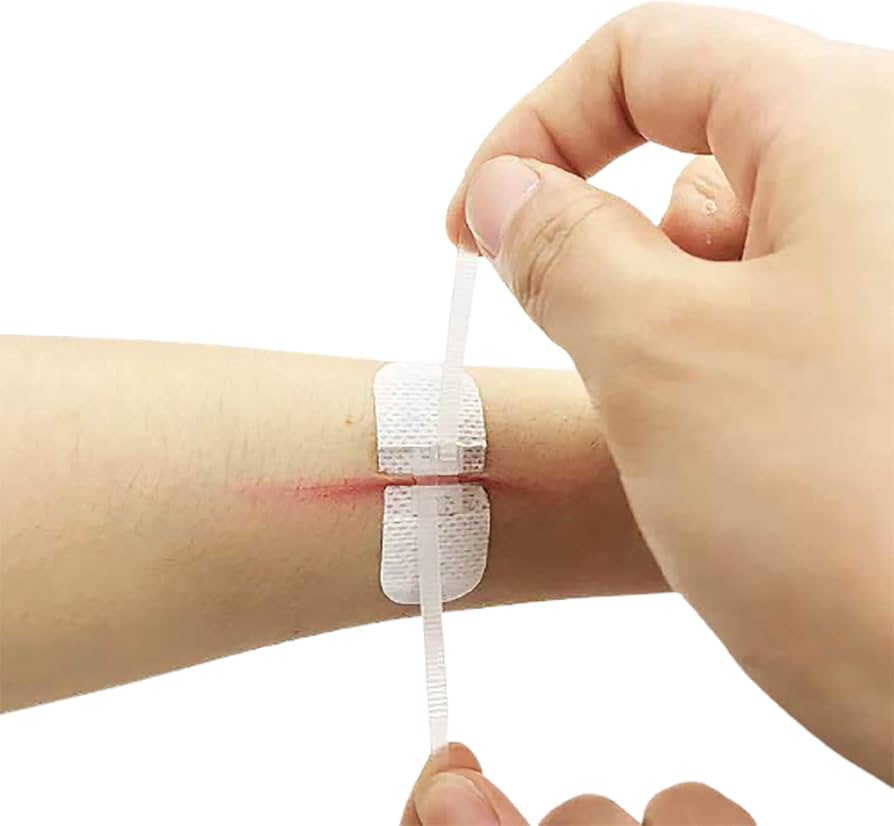
Cleaning the cut is one of the most important first aid steps. It helps remove dirt and supports better healing conditions.
Effective cleaning methods:
- Rinse the area with clean running water
- Remove visible dirt carefully
- Pat the skin dry gently
- Avoid harsh rubbing around the cut
- Keep the surrounding skin clean and dry
A properly cleaned cut often heals more comfortably and efficiently.
Protect the Cut with Proper Covering
Covering an open cut helps protect it from dust, friction, and irritation during daily movement.
Benefits of covering the injury:
- Keeps the area cleaner
- Reduces accidental touching
- Helps maintain moisture balance
- Supports comfortable healing
- Lowers irritation from clothing or surfaces
Replace coverings regularly to keep the area fresh and hygienic.
Watch for Positive Healing Signs
Monitoring the cut each day helps ensure recovery is progressing smoothly.
Healthy healing signs may include:
- Reduced redness over time
- Formation of new skin
- Less tenderness after a few days
- Minimal swelling
- Dry and closing skin edges
Gentle care and patience often lead to steady improvement.
Avoid Common Mistakes
Some habits can slow the healing process or increase discomfort.
Try to avoid:
- Picking at scabs
- Using dirty clothes on the cut
- Excessive touching
- Tight wrapping around the injury
- Ignoring ongoing irritation
Protective and careful handling gives the skin a better chance to recover naturally.
Encourage Overall Recovery
Healthy daily habits can also support skin repair after a cut.
Helpful recovery practices:
- Drink enough water
- Get proper rest
- Eat balanced meals
- Keep the body clean
- Avoid unnecessary strain on the injured area
Consistent first aid and positive care habits can make managing open skin cuts simpler, safer, and more comfortable for everyone.